
Spoon Fishing Lures 2026: A Complete Beginner’s Guide to Success
Introduction
Fishing can be both relaxing and exciting, especially when you find the right tools. One of the most versatile options in an angler’s tackle box is the spoon fishing lure. These lures mimic small baitfish, attracting predators with flashes and movement. Whether you’re in freshwater lakes or inshore saltwater, knowing how to choose and use a spoon lure can make your fishing trips more productive and enjoyable.
What is a Spoon Fishing Lure?

A spoon fishing lure is an artificial bait designed to imitate the movement of injured or fleeing prey. True to its name, it typically has a thin, oblong shape with a concave side, which creates a wobble as it moves through water. This wobble, combined with reflective flashes, triggers the predatory instincts of fish.
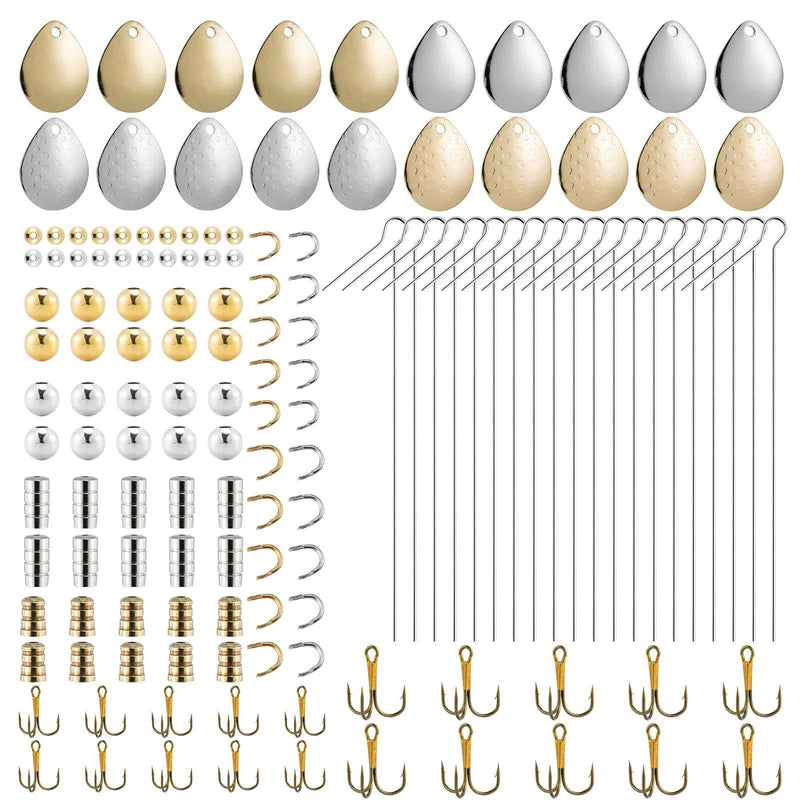
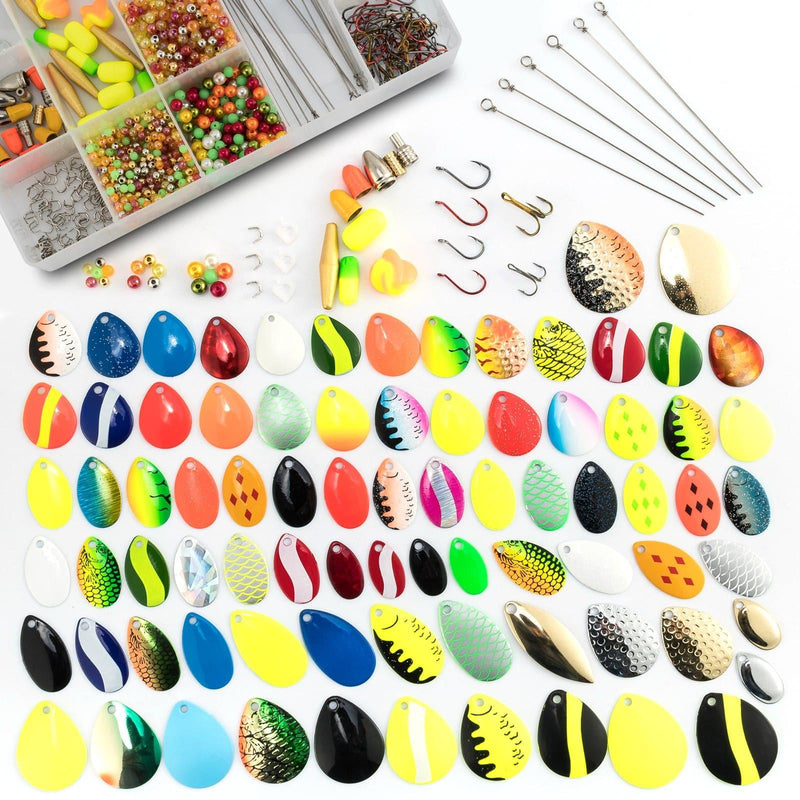
Spoons are typically made of metal, though some modern versions use plastic. They come in a variety of finishes—from shiny metallic to painted designs—allowing anglers to select lures that match water conditions and target species. Common freshwater targets include bass, pike, walleye, and trout, while saltwater anglers use spoons for species like snook, redfish, tuna, and mahi-mahi.
The simplicity of a spoon makes it effective for beginners and experienced anglers alike. Once rigged, it naturally attracts fish with motion and flash, eliminating the need for complicated setups.
Types of Spoon Fishing Lures

Understanding the different types of fishing spoons helps anglers select the right lure for each situation. Each type has its own design and purpose:
Casting Spoons
Casting spoons are versatile and commonly used in lakes, rivers, and estuaries. These lures sink naturally and can be retrieved at various speeds. Anglers often use steady retrieves, short jerks, or pauses to imitate a struggling baitfish. Casting spoons are effective for bass, snook, and jack species in shallow or moderately deep waters.
Trolling Spoons
Trolling spoons are thinner and lighter, designed to be pulled behind a moving boat. They are useful for covering larger areas and targeting open-water species like walleye, salmon, tuna, and mahi-mahi. Maintaining a consistent speed and ensuring the lure trails correctly behind the boat allows it to wobble naturally, attracting attention from predatory fish.
Topwater / Surface Spoons
Topwater spoons float and are designed for surface action. They mimic a wounded baitfish skimming the water, creating wakes and splashes that provoke strikes. These are especially effective in shallow areas such as flats or mangrove lines. Predators like bass, pike, snook, and redfish respond well to surface disturbances, particularly during early morning or late evening hours.
Weedless Spoons
Weedless spoons are ideal for fishing in areas with dense vegetation or underwater structures. They feature wire guards to reduce snagging, allowing precise casts into lily pads, submerged weeds, or other cover. Despite the protective design, these lures can still be retrieved with twitches, pauses, or steady pulls, enticing predators that hide in thick cover.
Jigging Spoons
Jigging spoons are intended for vertical fishing in deeper waters. They are dropped straight to the bottom and lifted with short jerks, then allowed to fall again. Many bites occur during the fall, making it important to watch the line carefully. This type works well for lake trout and other bottom-dwelling species.
When and Where to Use Spoon Fishing Lures

The effectiveness of a spoon lure depends heavily on conditions and environment:
- Water Conditions: Spoons excel on overcast days, in windy conditions, or in murky water. Their reflective surfaces and wobbling action help fish locate them when natural prey is harder to see.
- Active Fish Schools: When you spot a school of baitfish, casting a spoon into the middle can provoke larger predators to strike.
- Vegetation and Structures: Weedless spoons allow precise placement into areas with thick vegetation or obstacles, making them ideal for bass and other fish that seek cover.
- Freshwater vs Saltwater: Casting and jigging spoons are commonly used in freshwater, while trolling and topwater spoons perform well in inshore saltwater environments.
How to Fish with a Spoon Lure

Fishing with a spoon lure offers flexibility depending on the species and water conditions:
- Casting and Retrieving: Cast the spoon, allow it to sink briefly, then reel steadily. Small jerks and pauses can simulate the erratic motion of an injured baitfish.
- Trolling: Drag the spoon behind a moving boat to cover wide areas. Keep a consistent speed and distance from the boat to maintain proper wobble and flash.
- Jigging: Drop the spoon vertically to the bottom, lift it with short jerks, and let it fall again. Many strikes occur during the descent.
- Topwater Fishing: Keep the lure on the surface and retrieve slowly with gentle jerks, creating movement that looks like a struggling fish. This method works well during low-light periods and in shallow waters.
Experimenting with different retrieval speeds and pauses helps anglers determine what works best for the fish in that area.
Choosing the Right Spoon Lure
Selecting the correct spoon ensures maximum effectiveness:
- Fish Species: Larger spoons are better for pike and musky, while smaller spoons are effective for bass and walleye.
- Environment and Depth: Use casting or topwater spoons for shallow areas and jigging or trolling spoons for deeper waters.
- Color and Finish: Bright, reflective spoons are best for low-visibility conditions, while muted tones suit clear water.
- Freshwater vs Saltwater: Saltwater anglers should select corrosion-resistant metal spoons. Matching the lure size and action to the local prey increases success.
Careful selection allows the spoon to mimic natural prey convincingly, making it more enticing to fish.
Conclusion
Spoon fishing lures are versatile and effective, suitable for a wide range of species and environments. From casting and trolling to jigging and topwater techniques, these lures offer multiple ways to entice predatory fish.
Try adding a few Dr.Fish spoon lures to your tackle box—knowing which type to use and when to use it can make a real difference on the water. With the right lures in hand, you’ll enjoy more bites, more fun, and more successful fishing trips in 2026.

0 comments