
Trolling Fishing Setup for Consistent Depth and Lure Action
Introduction
When you go trolling fishing, keeping your lures at the right depth with natural action can be tricky. Even slight changes in boat speed, line length, or lure type can cause your trolling fishing lures to swim too high, sink too low, or lose their intended movement. Getting your rods, reels, lines, and lures set up properly helps you maintain consistent depth and smooth action, so you can focus on reading the water and noticing how fish respond. Once you dial in your setup, the lures stay where they should, making each pass more productive and enjoyable.
Understanding Trolling Fishing Basics
At its core, trolling fishing involves dragging one or more baited lines through the water from a moving boat. This movement imitates the swimming action of forage fish, which in turn attracts predators. Trolling is widely used in both freshwater and saltwater environments for species such as bass, trout, tuna, and wahoo.
Because the boat keeps moving, trolling allows anglers to systematically explore more water and present lures in different parts of the water column without repeated casting. Whether running a surface plug or a deeper-diving lure, trolling presents bait in a way that covers more ground and keeps lures moving naturally through the strike zone.
Trolling Fishing Rods and Reels

The efficiency and stability of trolling fishing largely depend on the combination of rod and reel.
Rod Selection
- Trolling rods are usually longer than standard rods, typically 6–8 feet.
- Medium to heavy power with moderate to fast action provides strength while maintaining responsive control.
- Longer rods help when using multiple lines by reducing tangles and improving stability.
Reel Selection
- Conventional or level-wind reels are the primary choice for trolling, offering sturdy construction, large line capacity, and smooth drag.
- Offshore trolling reels typically hold 200–300 yards of 30–50 lb line, which is enough for long runs and heavy fish.
- Spinning reels work well for shallow water or lighter setups, providing smoother line release and easier multi-line management.
- Smooth drag and ease of operation are key considerations when selecting a reel.
Line and Setup
- Monofilament line offers elasticity and a forgiving feel, making it suitable for freshwater or lighter trolling.
- Braided line provides high strength with low stretch, which is ideal for larger fish or longer trolling sessions.
- A short fluorocarbon leader improves abrasion resistance and helps extend line life while keeping the setup smooth.
A well-matched combination of rod, reel, and line ensures smooth operation, durable equipment, and flexibility when running multiple lines in different environments.
Selecting Baits and Trolling Fishing Lures
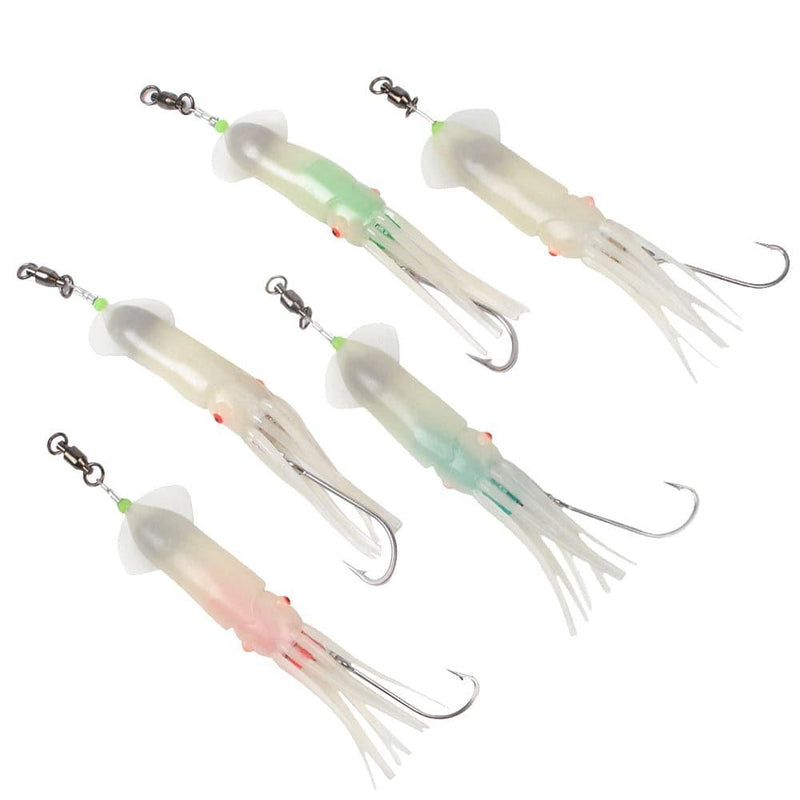
In trolling fishing, bait and lure selection affects how well presentations hold depth, maintain action, and attract fish. Different lures are designed to perform at specific speeds and depths, so choosing the right option helps keep the setup efficient and predictable.
Diving Minnows and Hard Lures

Diving minnows and other hard-bodied lures are widely used in trolling. They offer consistent swimming action behind a moving boat and can reach fish holding at various depths. Selecting the right size and color may improve results depending on the species and water conditions.
Spoon Lures
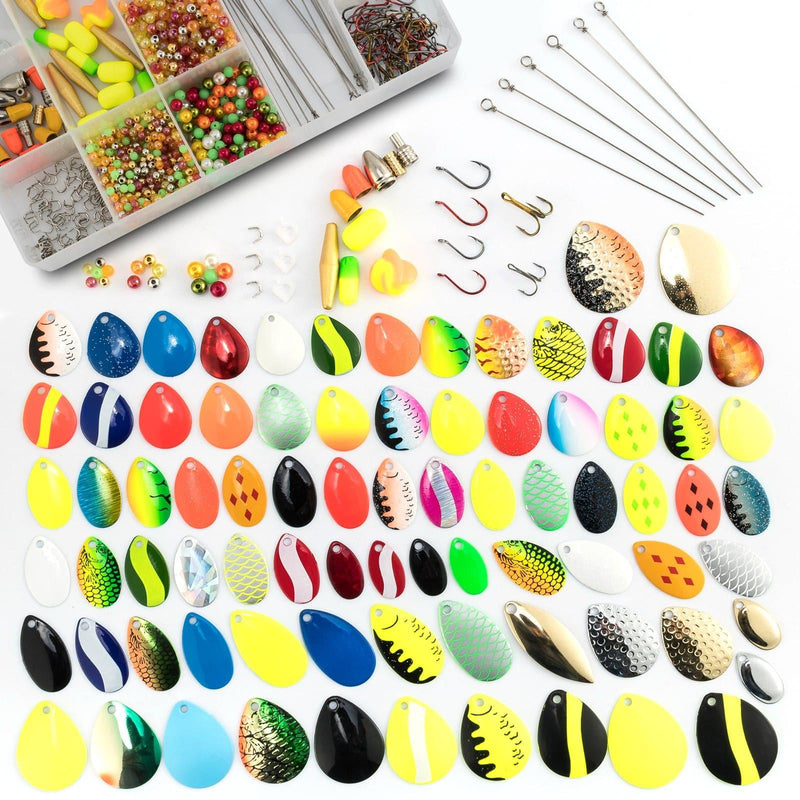
Spoons flash and wobble like injured baitfish and respond well to small adjustments in speed or line length. They work in a range of conditions and can help anglers experiment with presentation to see what fish prefer.
Bucktail Jigs and Skirted Baits

Bucktail jigs and skirted baits create a lifelike profile in the water. They tend to perform better when fish are cautious or feeding selectively. Light weights can be used to control depth and maintain natural movement, making the presentation more appealing without overcomplicating the setup.
Natural Baits for Trolling
- Rigged natural baits are used when fish show limited response to artificial lures.
- The added scent and realistic movement can help trigger strikes in tough conditions.
- Proper rigging is important to ensure the bait tracks straight and avoids spinning.
Size, Color, and Presentation
- Lure size is typically matched to the available forage.
- Natural colors work well in clear water, while brighter or high-contrast patterns help in low light or stained water.
- Running a small mix of lure types or colors helps identify what fish respond to before refining the spread.
Controlling Depth with Weights and Sinkers
Weights and sinkers help control how deep trolling fishing lures run without changing speed or lure choice, keeping presentations within the intended depth range. Depth control is critical, as lures that run too high or too low often pass over active fish.
Weight Options

Inline sinkers are commonly used for consistent depth control. Placed on the line ahead of the lure, they track straight and work well for shallow to mid-depth trolling. Lighter weights are often enough in calm conditions, while heavier inline sinkers help maintain depth in deeper water or stronger current.
Egg sinkers allow the line to slide freely, reducing resistance and supporting a more natural bait movement. They are especially useful at slower trolling speeds or when fish respond better to subtle presentations.
Placement and Adjustment
Sinkers are usually placed ahead of the lure to preserve natural action. Leaving enough space between the weight and the lure allows it to swim correctly.
Depth is adjusted by letting out more line or adding a small amount of weight. Minor changes are often enough to reach deeper fish or counter wind and current while keeping trolling fishing lures running consistently.
Managing Speed and Multi-Line Coverage
In trolling fishing, speed and line placement determine whether lures stay in productive water or pass over fish. Many issues arise when lures run at the wrong depth or lose their action.
Set boat speed first. Choose a steady speed that matches your lure type and keep it consistent. Before letting out all lines, check trolling fishing lures beside the boat. They should swim straight and maintain steady action. If a lure skips, spins, or breaks the surface, speed usually needs adjustment.
Build your spread step by step:
- Set the longest lines first so they run deeper
- Add medium-length lines to cover mid-water
- Run shorter lines closer to the boat and near the surface
This setup allows fish trolling to cover multiple depth levels at the same time. Leave enough space between lines so each lure can move naturally, especially when the boat turns.
During turns, outside lines speed up while inside lines slow down. This change often triggers strikes, which is why smooth, gradual turns are commonly used when trolling.
Adapting to Conditions During Trolling
Conditions change throughout the day, and trolling fishing setups require small adjustments to remain effective.
If bites slow down or fish marks appear deeper, adjust depth by letting out more line or adding a small amount of weight. This brings trolling fishing lures back into the strike zone without changing speed.
Wind and current can push lines together and affect lure action. When this happens:
- Increase spacing between lines
- Add light weight to stabilize lure depth
- Make small speed adjustments instead of major changes
Light conditions also matter. Fish often move higher in low light and deeper in bright conditions, making depth changes more effective than switching lures.
Watch rod tips for feedback. A steady pulse usually indicates the lure is working correctly, while uneven movement often signals an issue that needs correction.
Conclusion
Trolling fishing works best when the setup remains balanced and adjustments are made as conditions change. Paying attention to lure action and maintaining consistent depth and speed helps presentations stay effective throughout the day. Taking time to fine-tune these details on the water improves efficiency and makes trolling fishing more reliable across different situations.

0 comments